Muthomi Kathurima
I am a brother and a son.
I take walks. I like it when a friend starts telling me about a new venture, and I will happily do the start-up and profitability maths with them. I read. And every so often a tweet sends me down a rabbit hole and I come out knowing far too much about something nobody asked about.
For a long time, people who knew me from a distance called me a nerd and an introvert. Fair on both counts. What has grown since is the talking: I am easier in a room now, and a conversation is something I go looking for rather than something I survive.
I have been building software for nine years, the last four on a platform that settles around half a million school meals every school day — on feature phones, over patchy networks, inside a forty-minute lunch rush nobody can move. A lot of that work was collaborating with teams, stakeholders and designers, all pulling towards one shared goal.
Senior Manager, Software · Food4Education · Nairobi, Kenya
Why I do this
4 years+ building, and the motivation is one less child suffering classroom hunger. 200M+ meals later, we are only getting started.
May 2026
How I got here
2017 – November 2026Nine years, mostly spent learning in public and working alongside folks with more experience, those who understood the problem better, and people with a shared stubbornness to work towards a solution.
-
2017
I started a software lab of my own
Founded 4M Consulting and spent five years building for small businesses that needed to scale without adding staff: a driver app with automated trip assignment, a travel portal with Flutterwave, Stripe and Twilio behind it. I learned to ship by having nobody else to hand it to.
-
2018 – 2021
Internships, contracts, and teaching myself at speed
Road-safety reporting in TypeScript and Node, an e-learning and membership platform with iPay and M-Pesa Daraja behind it, a CBC assessment platform on Laravel and CouchDB. Most of it I taught myself, and I was stubborn about it: if something was foreign on Friday, by Monday I had read it, filled the gaps and tried it on the real problem. Then broke it, and read again, until it fitted our case rather than the tutorial's.
-
2022
One of the first two engineers on Tap2Eat
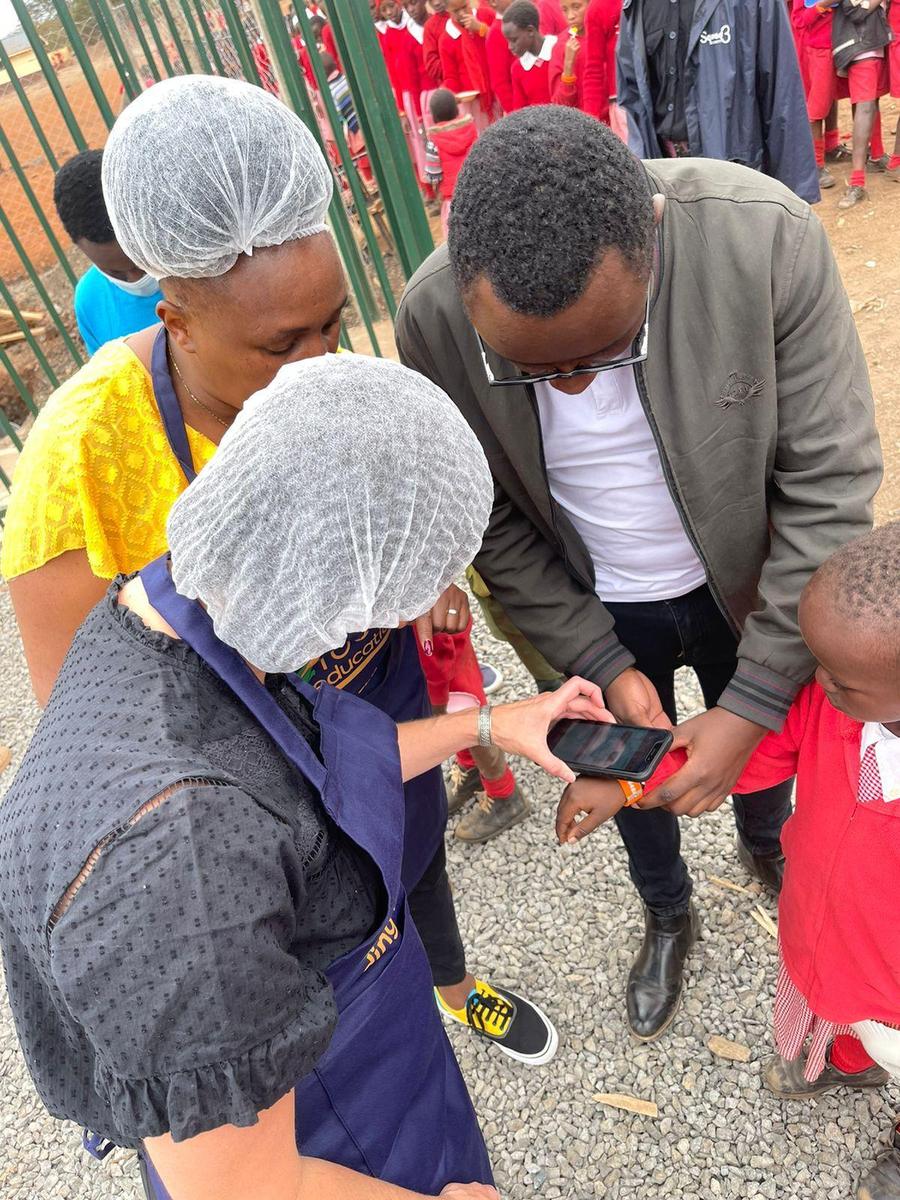
Joined Food4Education as a junior engineer. We moved the product off a third-party provider, migrated 60,000 parents and 1.5 million transaction records in twelve weeks, and built the NFC wristband platform and the USSD service that over 90% of our parents actually use, because they are on feature phones.
-
2023
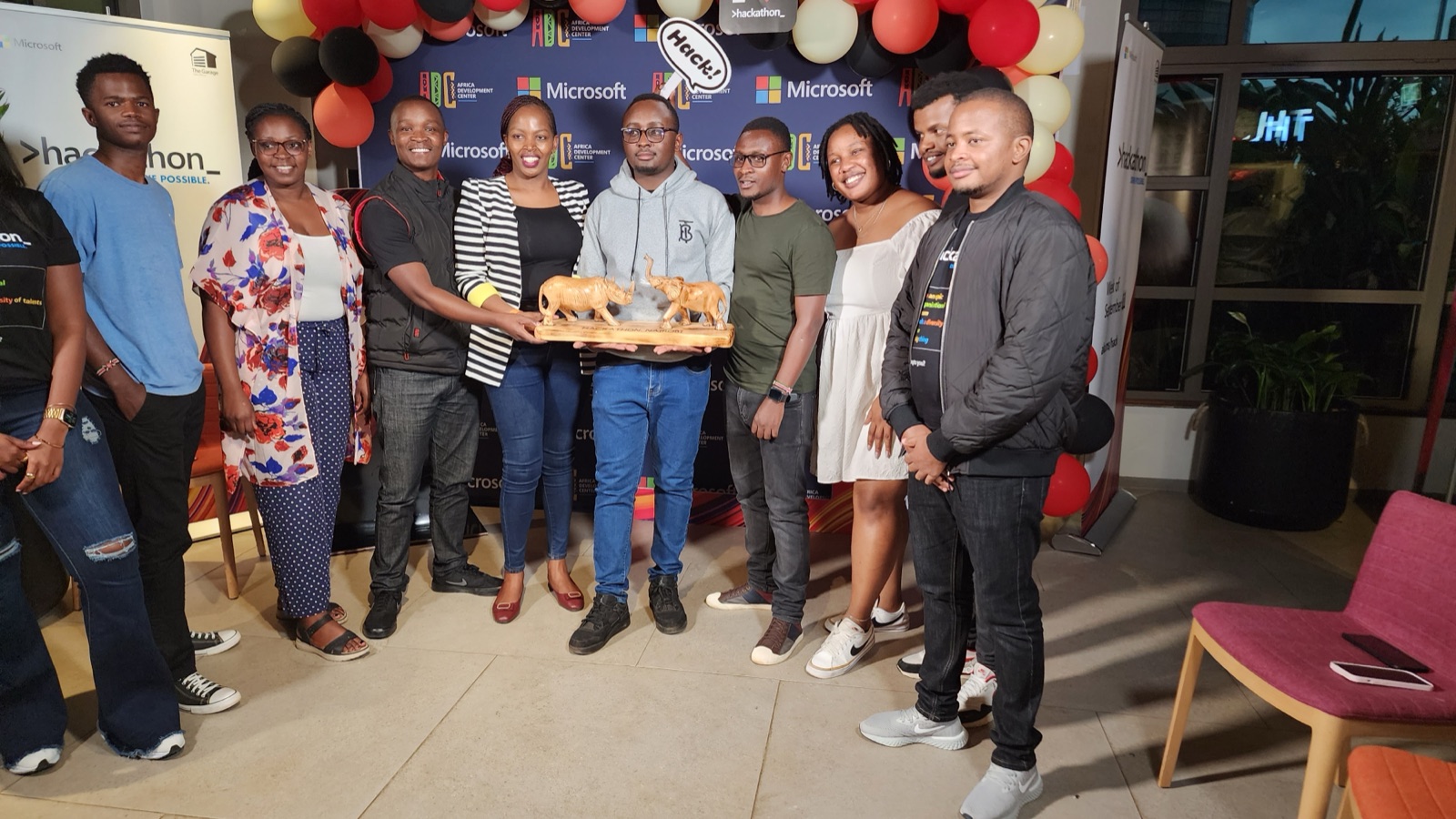
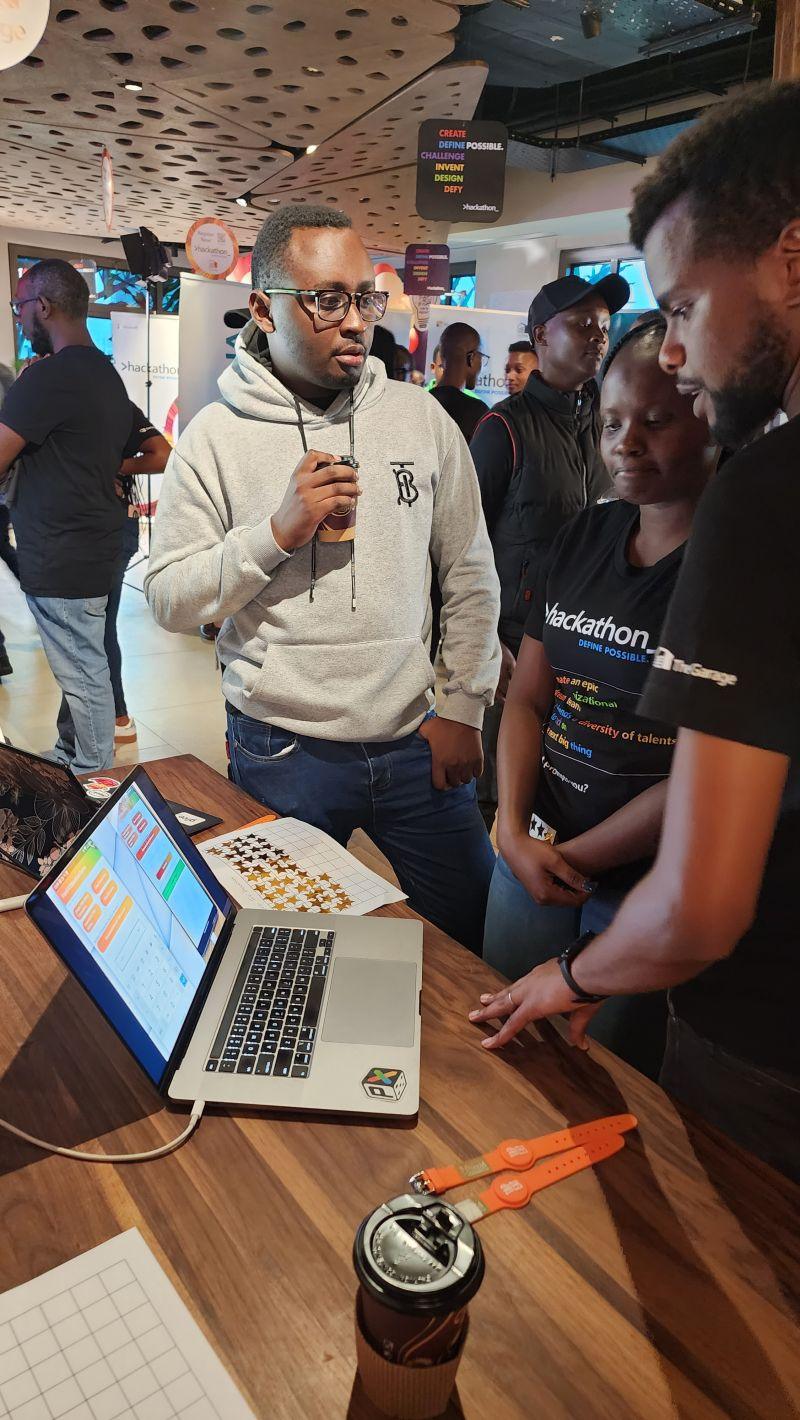
We won the Microsoft Hackathon Kenya
Food4Education's first tech hackathon, at the Microsoft Africa Development Centre. We built offline-first sync so meal data stayed consistent across the 300+ schools we served, many of them with no signal. It was a team win and it is the one I am proudest of.
-
2024 – 2025
From one server to infrastructure built for a million
Led the move off a single VPS that was already carrying 350,000 meals a day, onto GCP and then across GCP and AWS, at near-zero downtime. Latency down 30%+, satisfaction up 60%+, through a lunch rush that is forty minutes long and cannot be moved.
-
2025 – now
Leading the technology team
Senior Manager, Software. Strategy, architecture and scaling for Tap2Eat, plus IT operations, tech support and security for staff, kitchens and schools. The platform now settles 500,000+ transactions a day on infrastructure built for a million.
No one wins a hackathon alone
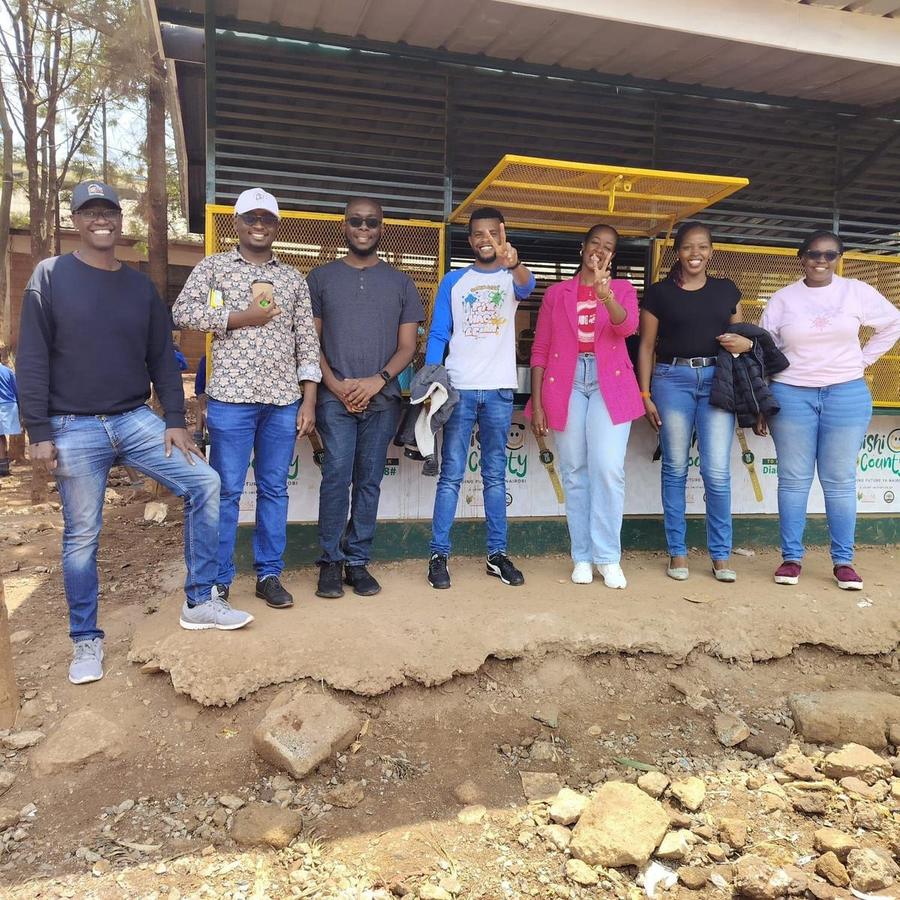
Every figure on this page belongs to a team. Engineers who stayed up through a migration; kitchen teams who ran service while we changed the thing they were running it on; school administrators who put up with us testing in their playground; and people who backed me early. The grit was collective, and I brought mine to it.

Three things I took from it
- Teamwork is essential. No one wins a hackathon alone.
- No idea is wrong. Each one is a building block, and the best projects are often cumulative and unexpected.
- Have fun, and network with people who care about technology, society and impact.
What fills my weeks
These are the problems I spend my time on. What I know about them came mostly from trial and error — monitoring, investigating what actually broke, improving it, then watching it again. Some of it came from someone telling me how they got it wrong first.
Payments and identity at scale
How do you settle half a million payments a school day when most parents are on feature phones and the network drops in the middle of service? M-Pesa STK Push, QR and automated reconciliation, NFC wristbands, USSD, and the offline tolerance all of it has to have.
Platform scale and reliability
What actually breaks when a single VPS serving 350,000 meals a day has to become infrastructure built for a million. JVM and heap tuning, near-zero-downtime migrations across GCP and AWS, and monitoring that finds the problem before the schools do.
Automation that gets used
Getting tools into daily use across an organisation instead of buying licences and hoping. Internal Slack and AppSheet automation, a WhatsApp assistant for parents, and the training and follow-up that decide whether any of it survives its first week.
Agentic systems in real operations
Where an agent genuinely takes work off a queue, and where it quietly adds risk instead. Scoping what it may touch, what it must hand to a person, and how you reconstruct afterwards what it actually did and why.
Escalation and the support path
What happens at 11 a.m. when a serving terminal fails in a school three counties away and lunch is in forty minutes. Tiering, ownership and response times, and an escalation matrix people follow under pressure rather than read once.
Data trust by default
Treating a parent record as something to protect before it is something to query. Access control, leaver processes, retention and least privilege, with Kenya's Data Protection Act 2019 as a design input rather than a compliance afterthought.
Technology strategy
Deciding what to build, what to buy and what to stop doing, then explaining the decision to a board and a programme team in plain language rather than architecture diagrams. Most of the hard part is sequencing, not choosing.
Engineering and IT leadership
How a two-person team becomes a platform organisation, and what it costs to run IT operations, support and security alongside delivery. Governance and documentation included, because field adoption depends on them.
Talks I've given
Let's share some ideas and experiences together
Here are some of the things I am passionate about.
If I am not the right person for something, I will say so.
I speak about building payments and identity infrastructure for the people most platforms are not designed for: feature phones, patchy networks, and a forty-minute window nobody can move.
-
Shamiri Summit 2026 Thursday 12 November 2026
Built Not to Break: Tech That Holds at Scale
Technology track · Glee Hotel, Nairobi
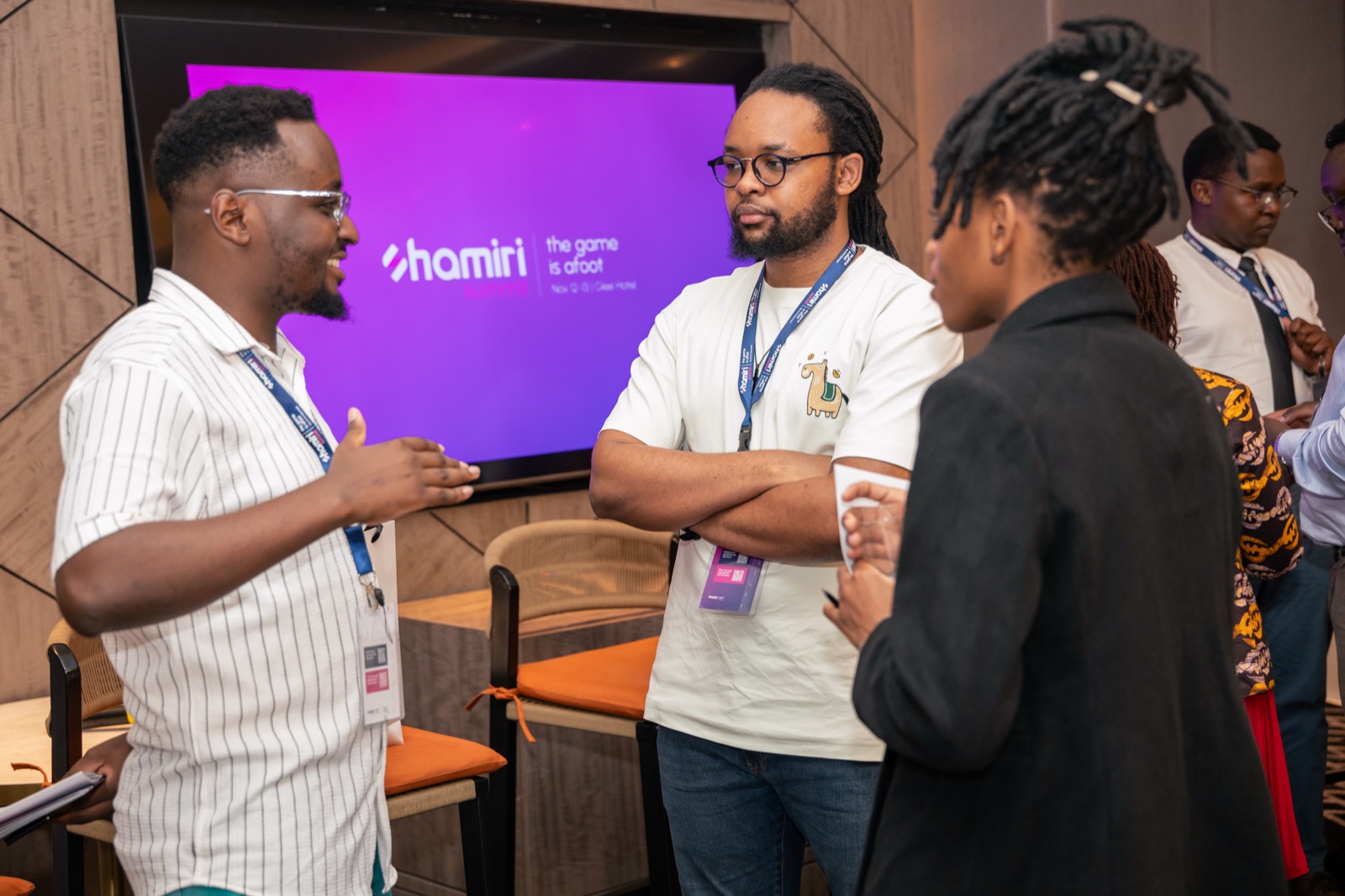
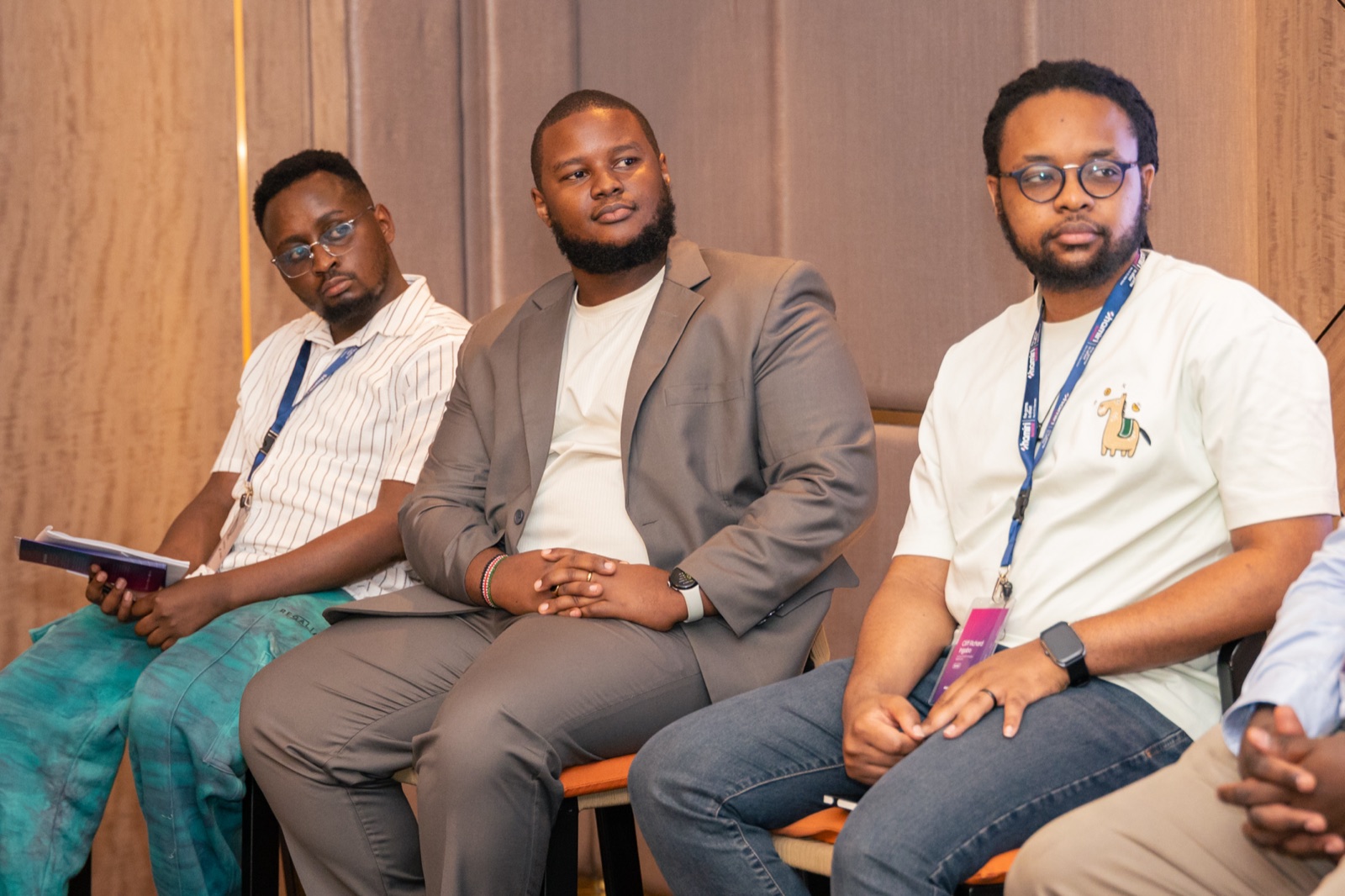
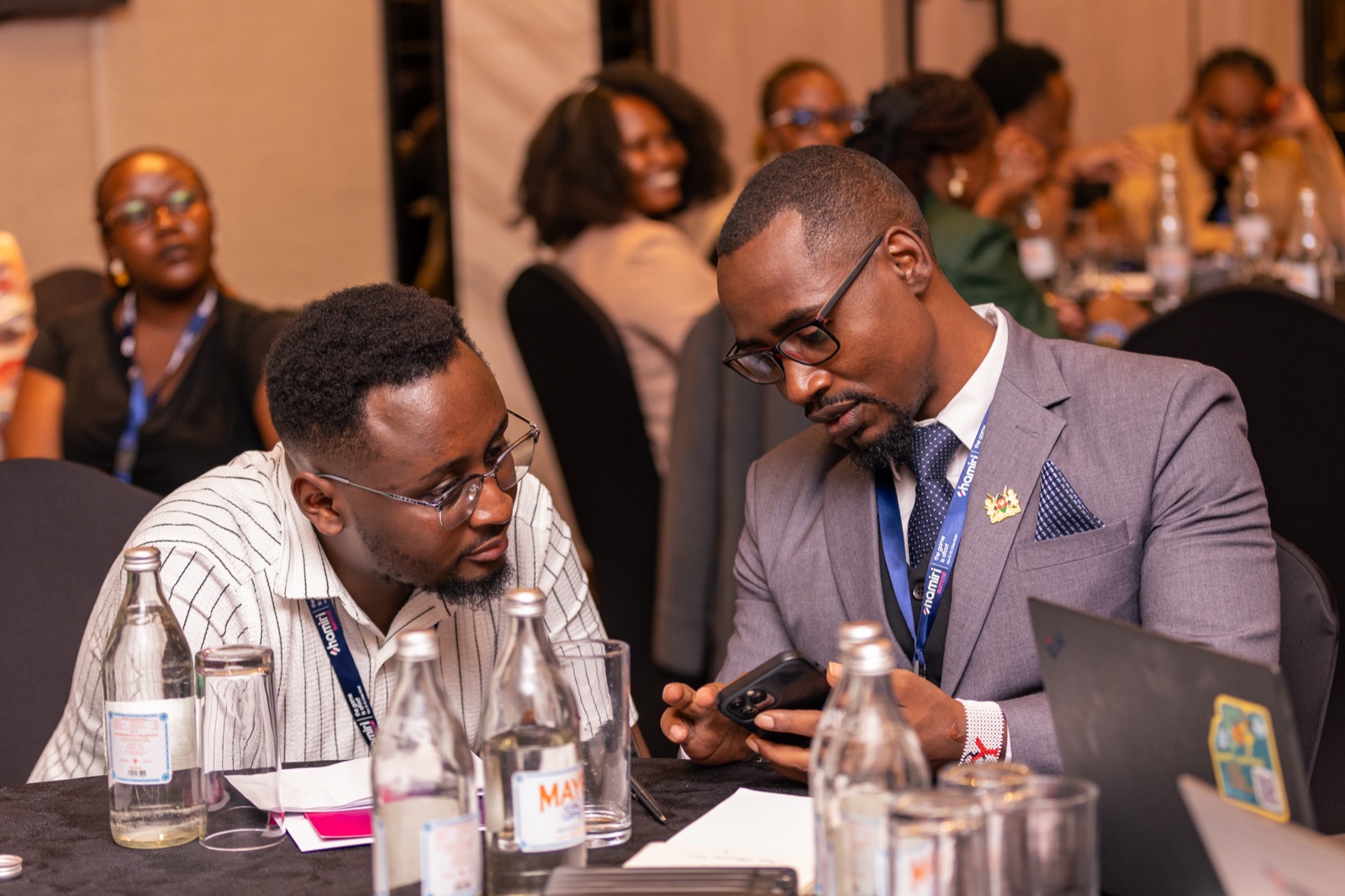
Photographs: Shepherds Afrika Photography
Some of the things I like to talk about
- Building for the feature phone: USSD, low-network design, and why over 90% of our parents never see an app.
- The 40-minute lunch rush: designing for a hard concurrency window you cannot move.
- Moving 60,000 parents and 1.5 million records off a third-party provider in 12 weeks, without losing a meal.
- Running engineering, IT and security together in a mission-driven organisation.
Writing
All articles →-
Git 1:1 - https vs ssh. And what it means between origin and local
Git's "origin" (remote) vs. "local" (your copy) repositories explained. Learn how to switch from HTTPS (frequent passwords) to SSH (secure keys) for f...
-
Flutter: Resolving a dangling library comment in flutter
a "dangling comment" refers to a comment that isn't clearly associated with a specific piece of code. It's a comment that's "hanging" or floating, ma...
-
System performance: Java Application Process specifically with the Java Virtual Machine (JVM) - part 2
This article details optimizing Java app performance on bare metal servers, covering logging, uptime monitoring, and observability tools (JProfiler/Ja...
Three ways to reach me
Nairobi, KenyaProgramming a stage
I speak on payments and identity for feature phones, and on systems that have to hold inside a window nobody can move. Tell me who is in the room.
See what I speak aboutStuck on the same problem
Eight problems fill my weeks, from M-Pesa reconciliation to escalation paths. If one of them fills yours, I want to hear how it is going.
Compare notesHere to read something
Engineering notes from scaling Tap2Eat: JVM and heap tuning, near-zero-downtime cloud migrations, M-Pesa integration and Flutter.
Read the writing